


As the demand for flexible, reliable, and sustainable energy systems grows, the integration of HESS (Hybrid Energy Storage Systems) with energy routers has become a key solution for managing energy flow in complex grid and off-grid applications. The combination of these technologies offers enhanced power distribution, real-time control, and optimization of energy resources.
This article explores the role of energy routers in HESS-based systems, detailing their benefits, applications, and key considerations when designing hybrid energy solutions.
An energy router is a smart device or system designed to manage and optimize the flow of electricity between multiple energy sources and storage units. It acts like a “traffic controller” for energy, directing power where it is needed most, whether from the grid, a generator, solar panels, or battery storage systems.
Energy flow control: Directs power to the most efficient and needed destination.
Real-time optimization: Monitors energy sources and demand to optimize power distribution.
Energy integration: Facilitates the integration of different power sources into one system, including renewables and storage.
Hybrid Energy Storage Systems (HESS) combine different energy storage technologies, such as batteries, supercapacitors, and other energy sources, to provide a flexible and efficient energy solution. When integrated with energy routers, HESS can achieve optimal energy distribution, ensuring the most efficient use of available resources.
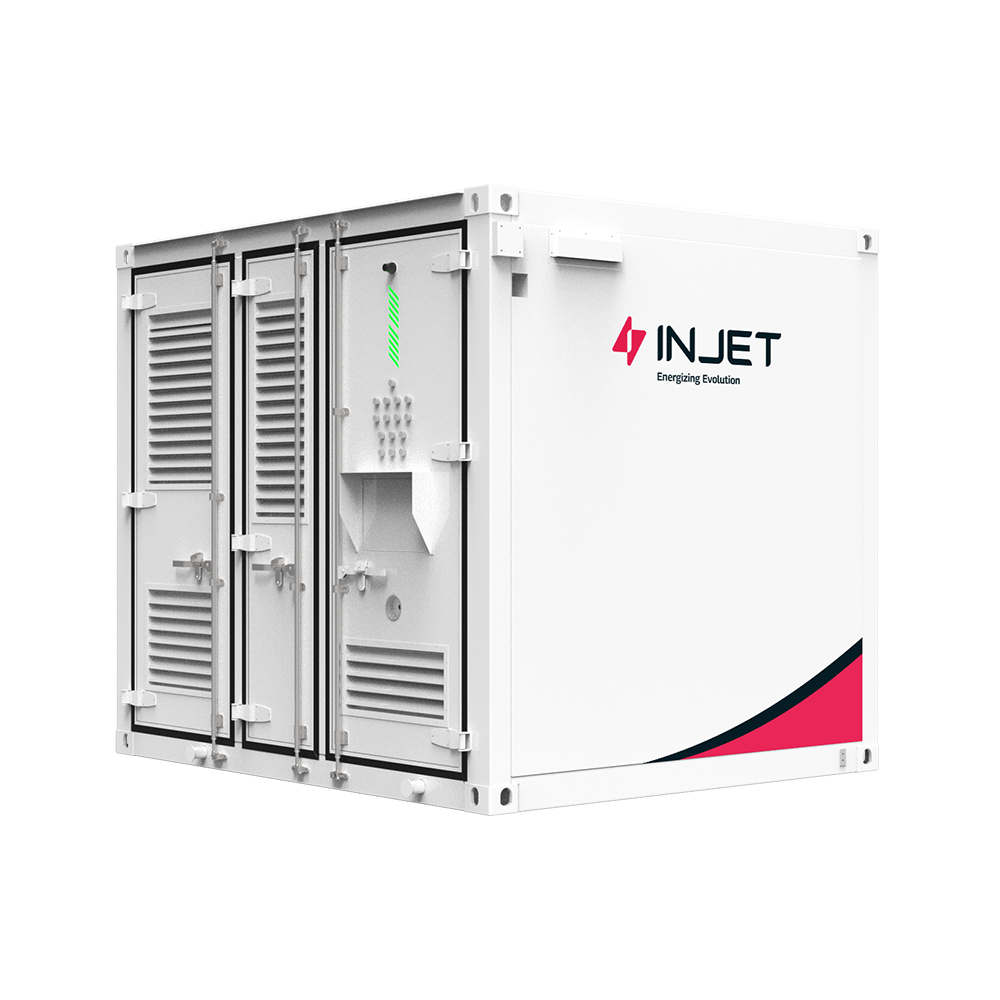
Hybrid Energy Storage Systems
Energy Sourcing:
Energy routers connect various energy sources, including the HESS, solar panels, wind turbines, grid supply, and gensets.
The energy router evaluates the availability and state of each energy source in real-time.
Energy Distribution:
The router directs stored energy from the HESS or other power sources to the most demanding loads or areas, optimizing overall system performance.
It also prioritizes renewable energy sources (like solar) when available, and minimizes reliance on fossil fuel generators.
Load Balancing and Optimization:
Energy routers balance the load on the system, ensuring no component is overstrained and optimizing battery life in the HESS by preventing excessive charge/discharge cycles.
Dynamic Response to Grid Conditions:
The energy router can also manage grid connections, handling fluctuations in grid power supply by drawing from HESS or renewable sources when necessary.
The combination of HESS and an energy router enables real-time energy optimization, reducing waste and improving the overall efficiency of power usage.
By efficiently managing the flow of electricity, energy routers help avoid unnecessary energy consumption, reducing operational costs.
Energy routers allow for dynamic energy routing, meaning they can respond to fluctuations in energy demand, renewable generation, and battery storage availability.
This flexibility is especially valuable in off-grid or hybrid systems where power generation is variable, such as solar and wind-powered installations.
Energy routers enable the integration of various energy sources such as solar, wind, batteries, and the grid, ensuring that all components work together efficiently.
This results in a more reliable energy system that can respond quickly to changing conditions, such as cloud cover for solar power or wind variability.
With better load management and optimization, energy routers help reduce the need for backup generators, thus cutting fuel costs and reducing maintenance requirements.
By utilizing stored energy from HESS during high demand or peak hours, businesses can avoid expensive peak energy rates.
By ensuring that the HESS operates within its optimal charge/discharge cycles, energy routers help extend the battery lifespan, maximizing the return on investment (ROI) from energy storage systems.
HESS with energy routers is ideal for microgrids, where power needs to be distributed between different sources and storage units.
The energy router ensures that renewable energy sources (solar, wind) are maximized, and HESS efficiently supports load management.
In renewable-heavy systems, such as solar-powered homes or businesses, energy routers can manage how much power is drawn from solar panels, stored in HESS, or pulled from the grid.
This integration helps optimize the use of solar power, reducing reliance on the grid and improving energy independence.
In off-grid locations, such as remote areas or islands, the combination of HESS and energy routers ensures a continuous power supply by efficiently managing energy storage and distribution.
Solar, wind, and backup gensets can be integrated with HESS for a self-sustaining, reliable energy system.
In large commercial and industrial operations, energy routers optimize power use by directing energy from battery storage, on-site generation, or the grid to where it is needed most.
HESS provides backup energy during high-demand periods, and energy routers ensure that this energy is distributed efficiently.
When integrating HESS and energy routers, consider the following key design elements:
The storage capacity of the HESS must match the energy demands of the system. Energy routers can scale to accommodate additional storage modules as the energy needs grow.
The EMS embedded in the energy router is critical for real-time monitoring, energy flow control, and system optimization.
Choose a system with advanced algorithms that can prioritize energy storage usage, manage energy inputs, and ensure reliable load balancing.
Integration with IoT or remote control systems allows real-time monitoring of energy flows and automatic optimization of battery charge/discharge cycles.
Choose energy routers with advanced communication protocols (e.g., Modbus, Ethernet) for seamless integration with other grid management systems.
If the system is grid-connected, ensure the energy router can handle grid fluctuations and transition seamlessly between grid power and stored energy when required.
Understand your energy demand, peak usage times, and renewable generation capabilities.
Choose a HESS system with sufficient capacity and a router that can balance these demands effectively.
Make sure the energy router can integrate with your existing energy infrastructure, including solar, generators, and HESS.
Choose a system that can grow with your needs. Ensure the energy router and HESS are modular and scalable to accommodate future energy requirements.
Look for systems that offer high efficiency, low downtime, and the ability to respond quickly to sudden changes in energy demand or availability.
Make sure your HESS has enough storage capacity to meet your peak demand. Under-sizing can lead to inadequate backup power and reduced system reliability.
Ensure your energy router is compatible with remote monitoring and control systems, especially if you're managing large or off-grid operations.
Always verify that your energy router and HESS are compatible with your other energy sources, including solar, wind, and gensets.
Integrating HESS (Hybrid Energy Storage Systems) with energy routers provides a highly efficient, flexible, and scalable solution for managing complex energy systems. By optimizing energy storage and distribution, businesses and utilities can improve power quality, reduce costs, and increase sustainability.
When choosing a system, it’s essential to evaluate your specific energy needs, system compatibility, and scalability. Working with a trusted provider like INJET New Energy ensures that your hybrid energy solution is designed to meet your unique requirements and deliver long-term performance.
Phone: +86-18980902801
E-mail: info@injet.com