


Access to reliable electricity remains a challenge in many rural regions around the world. Remote communities, agricultural areas, mining sites, and isolated industrial facilities often operate far from national power grids. Extending traditional transmission infrastructure can be expensive and time consuming. As a result, containerized rural electrification has emerged as an efficient and scalable solution for delivering power to off grid locations.
Modern rural electrification systems increasingly use HESS (Hybrid Energy Storage System) technology combined with renewable energy and backup generators. By integrating batteries, solar power, and intelligent energy management inside standardized containers, these systems can be rapidly deployed and easily transported.
This guide explores how containerized rural electrification works, the technology behind it, how to choose the right system, and practical advice for buyers planning rural energy projects.
Company
INJET New Energy
Phone and WhatsApp: +86-18980902801
Email: info@injet.com
Containerized rural electrification refers to pre engineered power systems installed inside standard shipping containers. These systems are designed to deliver reliable electricity to locations where grid infrastructure is unavailable or unreliable.
A containerized power unit typically includes multiple integrated technologies.
Battery energy storage systems
Solar or renewable energy interfaces
Power conversion equipment
Energy management systems
Optional diesel generator integration
Remote monitoring platforms
Because everything is installed within a container, the system can be transported by truck, ship, or rail and deployed quickly in remote locations.
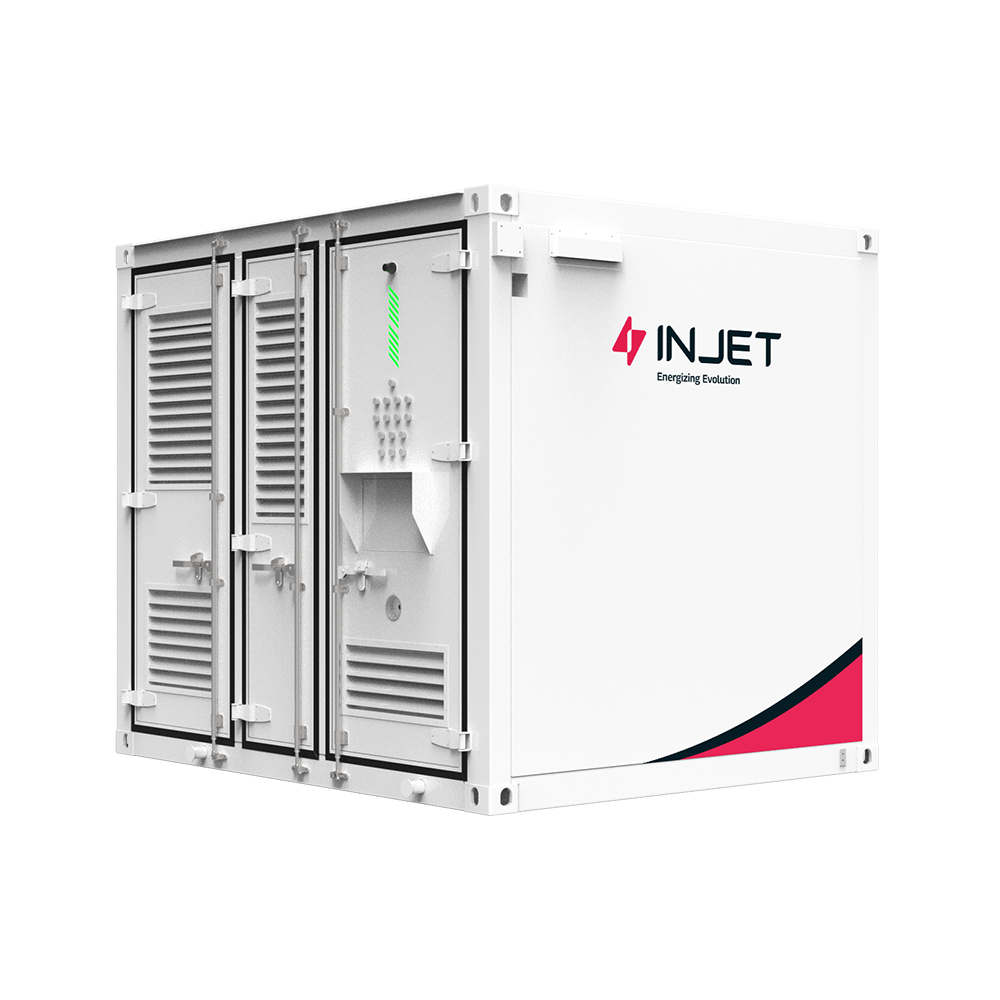
Containerized Rural Electrification
Many rural regions face several challenges when trying to obtain reliable electricity.
Long distances from grid infrastructure
High cost of transmission lines
Limited technical maintenance resources
Seasonal energy demand fluctuations
Harsh environmental conditions
Containerized energy systems solve these challenges by providing a self contained power station that can operate independently from national grids.
When combined with HESS technology, these systems can balance renewable generation, battery storage, and backup generation to ensure consistent power supply.
Battery storage is the central component that ensures stable electricity supply. Batteries store energy produced during periods of surplus generation and release it when demand increases.
Advantages include
Fast response time
Improved power stability
Energy storage for nighttime or cloudy periods
Reduced reliance on diesel fuel
Many rural electrification projects use solar panels as the primary energy source. Solar energy is abundant in many remote areas and can significantly reduce operating costs.
Wind power can also be integrated depending on geographic conditions.
The energy management system coordinates the flow of electricity between solar panels, batteries, loads, and generators.
It automatically controls
Charging cycles
Load distribution
Backup generator activation
Energy usage optimization
Housing the system inside a container provides several advantages.
Protection from environmental conditions
Easy transportation and deployment
Compact and modular design
Reduced installation time
A typical system includes the following elements.
Solar photovoltaic panels producing electricity during daylight
Battery storage to store excess energy
HESS energy management system coordinating power distribution
Backup diesel generator for emergency situations
Power converters supplying electricity to local loads
This architecture allows continuous electricity supply even when renewable generation is temporarily unavailable.
Containerized systems are pre assembled and tested in factories, allowing quick installation in rural areas.
Additional containers can be added as electricity demand grows.
Pre integrated systems minimize the need for complex on site engineering.
Hybrid energy systems maintain stable power even when renewable generation fluctuates.
By maximizing renewable energy use, hybrid systems reduce diesel fuel consumption and carbon emissions.
Different technologies can be used for rural power supply. Each approach has unique advantages and limitations.
| Power Solution | Infrastructure Cost | Reliability | Environmental Impact | Deployment Speed |
|---|---|---|---|---|
| Grid Extension | Very high | High | Moderate | Slow |
| Diesel Generator Only | Low initial | Moderate | High emissions | Fast |
| Solar Only Systems | Moderate | Weather dependent | Very low | Moderate |
| Containerized HESS Hybrid | Moderate | Very high | Low emissions | Fast |
Among these options, containerized rural electrification using HESS provides the most balanced solution between reliability, sustainability, and cost.
Containerized rural electrification is used in many types of remote infrastructure projects.
Hybrid systems supply electricity for homes, schools, clinics, and small businesses.
Farms require electricity for irrigation systems, storage facilities, and machinery.
Remote mining sites need reliable energy for equipment and worker accommodations.
Telecom infrastructure requires continuous power to maintain communication networks.
Island communities often rely on hybrid energy systems to reduce fuel transportation costs.
Several technical factors influence the performance of containerized energy systems.
Project planners must estimate both current and future electricity consumption.
The system design should match the solar radiation levels of the region.
Battery storage must be sized to support electricity demand during periods without solar generation.
Systems must be designed to operate in extreme temperatures, humidity, or dusty environments.
Because rural areas often lack technical personnel, remote monitoring systems allow engineers to supervise operations from centralized control centers.
When selecting a solution, buyers should evaluate several factors.
Choose systems where batteries, converters, and energy management platforms are designed to work together.
High quality battery cells and power electronics ensure long term performance.
Energy demand in rural communities often increases as economic development grows.
Working with experienced energy solution providers ensures reliable project implementation.
Companies such as INJET New Energy provide containerized hybrid energy systems designed specifically for rural and off grid environments.
Despite technological improvements, some projects face challenges due to poor planning.
Insufficient storage capacity leads to unstable electricity supply.
Systems relying only on solar energy may experience frequent interruptions during cloudy periods.
Incorrect evaluation of energy demand and environmental conditions can reduce system effectiveness.
Even automated systems require periodic inspection and maintenance.
Avoiding these issues requires careful engineering and collaboration with experienced suppliers.
It is a power system integrated inside a shipping container that provides electricity to remote or off grid communities.
Yes. Some systems operate entirely on renewable energy and battery storage, although hybrid configurations are common.
Battery systems typically operate for 8 to 15 years depending on usage and maintenance.
Yes. Systems can be customized for different population sizes and energy demands.
Yes. Larger containerized systems can supply electricity to factories, farms, and commercial facilities.
INJET New Energy develops advanced containerized hybrid energy storage systems designed for rural electrification and off grid infrastructure.
Key advantages include
Integrated HESS technology for stable power management
Reliable lithium battery energy storage systems
Modular containerized design for easy deployment
Remote monitoring and control capabilities
Flexible integration with solar and backup generators
Organizations planning rural electrification projects can contact INJET for customized containerized energy solutions.
Company
INJET New Energy
Phone and WhatsApp: +86-18980902801
Email: info@injet.com
Access to reliable electricity is a key factor in rural development, economic growth, and improved quality of life. Containerized rural electrification offers a practical way to deliver stable power to remote communities and industries without the need for expensive grid infrastructure.
By combining renewable energy, battery storage, and intelligent HESS technology, containerized systems provide reliable, scalable, and environmentally responsible energy solutions.
For governments, infrastructure developers, and organizations working in remote areas, containerized hybrid energy systems represent a modern and effective approach to rural electrification.